
Borderlands/La Frontera: A Comprehensive Analysis of Anzaldúa’s Work
Gloria Anzaldúa’s Borderlands/La Frontera: The New Mestiza (1987‚ 1999) profoundly explores the U.S.-Mexico border‚ analyzing its complex cultural‚ psychic‚ and political landscapes.
Historical Context of the U.S.-Mexico Border
The U.S.-Mexico border’s history is deeply rooted in colonialism‚ conquest‚ and shifting geopolitical boundaries‚ beginning with Spanish colonization and continuing through Mexican-American War (1846-1848). The Treaty of Guadalupe Hidalgo ceded vast territories to the U.S.‚ establishing a border that severed indigenous lands and communities.
This created a space of cultural collision and displacement‚ setting the stage for ongoing tensions. Throughout the 20th and 21st centuries‚ economic disparities and U.S. immigration policies further shaped the border region‚ influencing migration patterns and the experiences of those living within the Borderlands.

Geographical Significance of the Border Region
The U.S.-Mexico borderland isn’t simply a line; it’s a diverse and dynamic zone encompassing varied terrains – deserts‚ mountains‚ and urban centers – impacting settlement patterns and livelihoods. This physical space fosters unique ecological and economic relationships‚ yet also presents harsh environmental challenges.
Anzaldúa emphasizes the border as a lugar fronterizo‚ a “border place‚” a liminal space where distinct geographies converge. This convergence shapes cultural practices and identities‚ creating a region characterized by fluidity and constant negotiation between different worlds.
The Border as a Site of Conflict and Tension
The border region historically embodies conflict‚ stemming from territorial disputes‚ immigration policies‚ and economic disparities. Anzaldúa highlights the psychological toll of living within this contested space‚ marked by surveillance‚ discrimination‚ and violence. This tension manifests in societal structures and individual experiences‚ creating a climate of fear and uncertainty.

Furthermore‚ the border serves as a focal point for political debate‚ particularly concerning immigration and national security. These ongoing struggles contribute to a sense of precariousness and marginalization for those inhabiting the frontera.
The Borderlands as a Third Space
Anzaldúa conceptualizes the borderlands not merely as a geographical location‚ but as a “tercer espacio” – a third space. This is a liminal zone where distinct cultures collide and create something new‚ existing outside traditional binary categorizations. It’s a space of hybridity‚ ambiguity‚ and constant negotiation‚ challenging fixed identities and fostering a “new mestiza” consciousness.
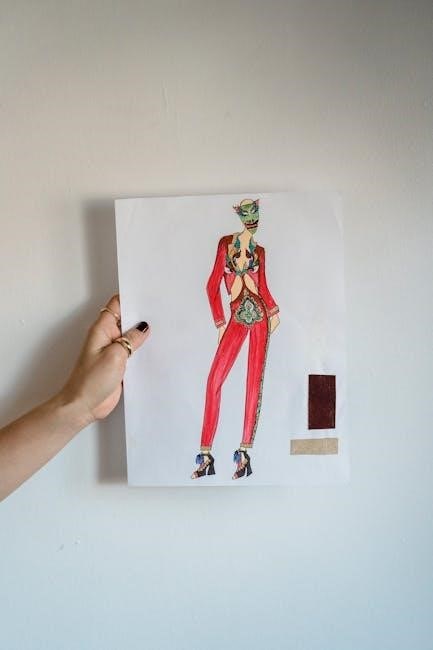
This third space is simultaneously a site of oppression and potential liberation‚ demanding a re-evaluation of belonging and a rejection of assimilation. It’s where migrant writing emerges‚ offering unique perspectives.
Hybridity and the Rejection of Binary Oppositions
Central to Anzaldúa’s framework is the embrace of hybridity‚ a blending of cultures and identities that defies rigid categorization. She actively rejects binary oppositions – such as Mexican/American‚ male/female‚ straight/queer – arguing they are limiting and fail to capture the nuanced realities of borderland existence.
The “new mestiza” consciousness welcomes this mixing‚ finding strength and creativity in the in-between spaces. While acknowledging the challenges of navigating multiple identities‚ Anzaldúa posits hybridity as a source of empowerment and resistance.
The Creation of New Identities in the Borderlands
Anzaldúa argues that the borderlands aren’t simply a space between cultures‚ but a generative zone where entirely new identities are forged. This process isn’t harmonious; it’s often fraught with conflict‚ loss‚ and a sense of displacement. However‚ through navigating these tensions‚ individuals develop a “new mestiza” consciousness.
This identity is fluid‚ complex‚ and resists easy definition‚ embracing contradictions and challenging conventional notions of belonging. It’s a conscious choice to inhabit the in-between‚ creating a self that transcends imposed boundaries.
“How to Tame a Wild Tongue”: Linguistic Oppression
In “How to Tame a Wild Tongue‚” Anzaldúa powerfully details the linguistic oppression experienced by Chicanas/os. She recounts instances of being reprimanded for speaking Spanish‚ highlighting how language becomes a site of control and cultural erasure. This isn’t merely about grammar; it’s about power dynamics and the silencing of marginalized voices.
The essay reveals how societal pressures force individuals to abandon or “tame” their native tongues to assimilate‚ resulting in a profound loss of cultural identity and self-expression.
Code-Switching and Linguistic Resilience
Anzaldúa reframes code-switching – the practice of alternating between languages – not as a deficiency‚ but as a strength and a vital act of resilience. She demonstrates how Chicanas/os skillfully navigate multiple linguistic systems‚ creating a unique and dynamic linguistic space. This isn’t simply adaptation; it’s a creative response to oppressive forces.
Her ability to fluidly move between English and Spanish‚ and even incorporate Spanglish‚ embodies a refusal to be confined by linguistic boundaries‚ asserting a complex and multifaceted identity.
Cultural Hybridity and Syncretism
Anzaldúa champions cultural hybridity as a defining characteristic of the borderlands‚ moving beyond simple assimilation. She explores syncretism – the blending of different cultural elements – as a creative and empowering process‚ rather than a sign of cultural loss or impurity. This fusion manifests in religious practices‚ folklore‚ and everyday life.
The borderlands become a crucible where Indigenous‚ Spanish‚ and Anglo influences converge‚ resulting in new cultural forms and a “new mestiza” consciousness‚ embracing multiplicity.
The Blurring of Cultural Boundaries
Anzaldúa’s work vividly portrays the breakdown of rigid cultural boundaries within the borderlands‚ challenging notions of fixed identity. The physical border itself symbolizes this permeability‚ fostering a space where cultures intermingle and influence one another. This isn’t a harmonious blending‚ but a dynamic‚ often conflicted‚ process.
She argues that the insistence on clear-cut cultural categories is a colonial imposition‚ and the borderlands offer a space to dismantle these artificial divisions‚ embracing fluidity and ambiguity.
Religious Syncretism in the Borderlands
Anzaldúa details the fascinating religious syncretism prevalent in the borderlands‚ a blending of Indigenous beliefs‚ Catholicism‚ and other spiritual practices. This fusion isn’t simply a superficial mixing; it represents a deep-seated adaptation and resilience of cultural traditions in the face of colonization.
She explores how traditional healing practices‚ folk Catholicism‚ and ancestral reverence coexist and inform one another‚ creating unique spiritual landscapes. This syncretism embodies the mestiza consciousness‚ a blending of opposing forces.
The Role of the Trickster Figure
Anzaldúa utilizes the trickster figure – a common archetype in Indigenous mythologies – as a potent symbol within the borderlands. The trickster embodies ambiguity‚ disruption‚ and the challenging of established norms‚ mirroring the liminality of the border itself.
This figure isn’t malicious but rather a catalyst for change‚ exposing hypocrisy and prompting re-evaluation of societal structures. The trickster’s ability to navigate boundaries and subvert expectations reflects the mestiza’s own position and potential for transformation.
The Trickster as a Catalyst for Change
Anzaldúa’s deployment of the trickster isn’t merely illustrative; it’s fundamentally transformative. The trickster’s disruptive energy challenges fixed identities and binary oppositions‚ forcing a confrontation with uncomfortable truths inherent in border existence.
By embodying contradiction‚ the trickster dismantles rigid structures and opens space for new possibilities. This aligns with the mestiza’s consciousness‚ which rejects categorization and embraces fluidity. The trickster’s actions‚ though often unconventional‚ ultimately propel evolution and resistance against oppressive systems.
Anzaldúa’s Use of Myth and Folklore
Anzaldúa skillfully weaves myth and folklore into Borderlands/La Frontera‚ drawing from Indigenous‚ Mexican‚ and Chicana traditions. This isn’t simply decorative; it’s a strategic method for reclaiming ancestral knowledge and challenging dominant narratives.
Myths like La Llorona and stories of shape-shifting embody the liminality and hybridity central to the borderlands experience. By reinterpreting these narratives‚ Anzaldúa empowers marginalized voices and creates a space for alternative understandings of identity and belonging. Folklore becomes a tool for resistance and cultural survival.
Political Implications of Borderlands Theory
Borderlands theory carries significant political weight‚ directly critiquing U.S. immigration policies and the historical injustices inflicted upon marginalized communities. Anzaldúa’s work exposes the violence inherent in border enforcement and the dehumanization of migrants.
Her concept of the border as a site of resistance challenges the nation-state’s control over bodies and territories. Borderlands/La Frontera advocates for a reimagining of political belonging‚ one that embraces hybridity and rejects exclusionary nationalism. It fuels movements for social justice and border abolition.

Critiques of U.S. Immigration Policy

Anzaldúa’s Borderlands/La Frontera offers a searing critique of U.S. immigration policy‚ exposing its roots in colonialism and racism. She details the systemic oppression faced by Mexican Americans‚ highlighting linguistic discrimination and the denial of cultural identity.
The text challenges the narrative of illegal immigration‚ framing border crossing as a response to economic disparities and political instability. Anzaldúa’s work reveals how policies create a climate of fear and vulnerability for border communities‚ demanding a more humane and just approach to immigration reform.
The Border as a Site of Political Resistance
Anzaldúa conceptualizes the borderlands not merely as a site of suffering‚ but as a crucial space for political resistance. Her work champions a “new mestiza” consciousness—a defiant embrace of hybridity as a form of cultural and political empowerment.
This resistance manifests in reclaiming language‚ challenging dominant narratives‚ and forging new identities that defy categorization. Borderlands/La Frontera advocates for solidarity among marginalized groups‚ envisioning a collective struggle against oppressive systems and a reimagining of borders themselves.
Queer Identity and the Borderlands
Anzaldúa’s exploration of sexuality and gender is intrinsically linked to her understanding of the borderlands as a liminal space. She positions her queer Chicana identity within this contested terrain‚ arguing that the borderlands offer a unique space for queer liberation and self-discovery.
Rejecting societal norms and binary classifications‚ Anzaldúa’s work challenges conventional understandings of identity. The borderlands become a metaphor for the fluidity of desire and the rejection of fixed categories‚ fostering a space for embracing multiple and often conflicting identities.
Anzaldúa’s Exploration of Sexuality and Gender
Anzaldúa conceptualizes the borderlands as a deeply personal and political space where traditional notions of sexuality and gender are disrupted and renegotiated. Her work boldly challenges heteronormative structures and patriarchal constraints prevalent in both American and Mexican cultures.
She intricately weaves her own experiences as a queer Chicana woman into her theoretical framework‚ demonstrating how the borderlands facilitate a dismantling of rigid gender roles and sexual identities. This exploration fosters a space for self-definition and the embrace of diverse expressions of desire.
The Borderlands as a Space for Queer Liberation
Anzaldúa’s borderlands offer a unique terrain for queer liberation‚ functioning as a space where marginalized identities can flourish outside the confines of dominant societal norms. The inherent ambiguity and fluidity of the border region mirror the complexities of queer experience‚ providing refuge from oppressive structures.
This liminal space allows for the creation of new subjectivities and the rejection of binary categorizations‚ fostering a sense of belonging for those who exist outside conventional definitions of gender and sexuality. It’s a site of resistance and self-discovery‚ enabling queer individuals to reclaim agency.
Memory‚ Tradition‚ and Belonging
Anzaldúa emphasizes the crucial role of ancestral memory in navigating the borderlands‚ arguing that reclaiming cultural traditions is vital for forging a sense of belonging. The fragmented nature of border identity necessitates a reconnection with the past to understand the present and envision a future.
This involves honoring the stories and experiences of previous generations‚ even amidst displacement and cultural loss. The space of migrant writing‚ as a third space‚ becomes a repository for these memories‚ fostering a collective identity rooted in shared heritage and resilience.
The Importance of Ancestral Memory
Anzaldúa posits that ancestral memory is not merely recollection‚ but a vital force shaping identity within the borderlands. It’s a conduit to understanding the historical traumas and resilience of those who came before‚ offering a foundation for navigating present challenges. This memory is often embodied in language‚ folklore‚ and spiritual practices.
Recovering these ancestral roots allows individuals to resist assimilation and reclaim agency‚ forging a sense of belonging that transcends geographical boundaries. It’s a powerful act of resistance against colonial erasure and a celebration of cultural continuity.
Reclaiming Cultural Traditions
Anzaldúa’s work champions the active reclamation of cultural traditions often suppressed or denigrated due to colonization and societal pressures. This isn’t about a nostalgic return to the past‚ but a conscious effort to revitalize and reinterpret practices‚ imbuing them with new meaning for contemporary contexts.
Reclaiming traditions—like language‚ storytelling‚ and spiritual beliefs—becomes a form of self-determination and resistance. It’s a way to heal historical wounds and forge a stronger sense of collective identity‚ empowering marginalized communities to define themselves on their own terms.
Post-Colonial and Post-Soviet Perspectives on Borderlands
Anzaldúa’s Borderlands/La Frontera resonates with post-colonial and‚ surprisingly‚ post-Soviet thought‚ revealing shared experiences of fractured identities and contested territories. Both contexts grapple with the legacies of imperial power‚ displacement‚ and the construction of “otherness.”
Comparative analysis highlights intersections in how borders function not merely as geographical lines‚ but as sites of cultural and psychological division. Examining these parallels illuminates the universal struggles for self-definition and liberation in the wake of historical trauma and systemic oppression.
Intersections of Colonial Histories
Anzaldúa’s work powerfully demonstrates how colonial histories – Spanish colonization of the Americas and its ongoing effects – intersect with contemporary border realities. The U.S.-Mexico border isn’t simply a product of modern nation-state formation‚ but a continuation of centuries-old power dynamics and land dispossession.
This historical layering creates a complex terrain where indigenous knowledge‚ colonial impositions‚ and modern political forces collide. Understanding these intersections is crucial for deconstructing the narratives that justify border control and systemic inequalities‚ revealing the enduring impact of colonialism.
Comparative Analysis of Border Experiences
Anzaldúa’s Borderlands/La Frontera invites a comparative analysis extending beyond the U.S.-Mexico context. Examining other border regions – post-Soviet spaces‚ for instance – reveals shared dynamics of identity formation‚ cultural hybridity‚ and political tension. These comparisons illuminate the universal experiences of marginalization and resistance inherent in borderlands.
Analyzing these diverse contexts highlights how colonial legacies and globalization shape border experiences‚ fostering both conflict and creative adaptation. Such a comparative approach enriches our understanding of Anzaldúa’s theories and their broader applicability.
Western Post-Anthropocentric Antihumanism in Anzaldúa’s Work
Anzaldúa’s work engages with Western post-anthropocentric antihumanism‚ exploring its reactive‚ technocratic‚ and critical iterations. Her perspective‚ however‚ crucially incorporates non-Western viewpoints‚ challenging Eurocentric frameworks. This nuanced approach deconstructs traditional humanist assumptions about human exceptionalism and dominance over nature.
By centering the experiences of marginalized bodies – particularly those inhabiting borderlands – Anzaldúa offers a counter-narrative that reconsiders the relationship between humans‚ animals‚ and the environment‚ advocating for a more inclusive and interconnected worldview.
Reactive‚ Technocratic‚ and Critical Approaches
Anzaldúa’s analysis navigates Western antihumanism’s diverse expressions: reactive‚ often defensively asserting human value against perceived threats; technocratic‚ seeking control through technological advancement; and critical‚ deconstructing humanist foundations. However‚ she doesn’t simply adopt these categories.
Instead‚ she utilizes them as a backdrop to highlight the limitations of solely Western perspectives. Her work demonstrates how these approaches often fail to address the lived realities of those existing within the borderlands‚ demanding a more holistic and nuanced understanding of human-environment interactions.
Non-Western Perspectives on Antihumanism
Anzaldúa’s Borderlands/La Frontera implicitly challenges the dominance of Western antihumanist thought by centering Indigenous and Mexican perspectives. These viewpoints often possess inherent understandings of interconnectedness‚ rejecting the rigid human/nature dichotomy prevalent in Western philosophy.
Her work suggests that non-Western ontologies offer alternative frameworks for navigating the complexities of existence‚ moving beyond reactive‚ technocratic‚ or solely critical responses. This invites a re-evaluation of antihumanism‚ acknowledging diverse ways of relating to the world and challenging Eurocentric biases.
The Borderlands as a Social Phenomenon
Anzaldúa’s conceptualization of the borderlands extends beyond a geographical space‚ functioning as a crucial social phenomenon. Sociological conceptualizations recognize it as a zone of intense interaction‚ negotiation‚ and power dynamics‚ shaping identities and social structures.
Globalization significantly impacts borderlands‚ intensifying migration flows and cultural exchange‚ yet also exacerbating inequalities and tensions. Analyzing the borderlands through a sociological lens reveals the complexities of belonging‚ exclusion‚ and the formation of new communities‚ reflecting broader societal shifts.
Sociological Conceptualizations of Border Spaces
Sociological studies view border spaces‚ as Anzaldúa portrays them‚ not merely as dividing lines but as dynamic zones of social production. These areas become crucibles for identity formation‚ cultural hybridity‚ and the negotiation of power relations. They challenge traditional notions of fixed boundaries and national belonging.
Researchers examine how borders facilitate both inclusion and exclusion‚ creating unique social hierarchies and experiences. The borderlands represent a site where dominant social structures are contested and redefined‚ offering insights into broader societal processes of change and adaptation;
The Impact of Globalization on Borderlands
Globalization intensifies the dynamics within borderlands‚ accelerating flows of people‚ capital‚ and information. This process exacerbates existing inequalities and creates new vulnerabilities for border communities‚ as highlighted in Anzaldúa’s work. Increased migration‚ driven by economic disparities‚ further complicates identity formation and cultural negotiation.
Furthermore‚ globalization’s impact extends to the erosion of traditional social structures and the rise of transnational networks. The borderlands become focal points for global economic forces‚ impacting local livelihoods and reinforcing power imbalances‚ demanding critical sociological analysis.
Analysis of Anzaldúa’s Writing Style
Anzaldúa’s writing style in Borderlands/La Frontera is strikingly innovative‚ blending poetic language‚ personal narrative‚ and scholarly analysis. She employs vivid imagery and metaphorical language to convey the complex emotional and psychological experiences of inhabiting border spaces. This stylistic choice mirrors the hybridity she theorizes‚ rejecting traditional academic conventions.
Her prose often incorporates code-switching‚ reflecting the linguistic realities of the borderlands and challenging monolingual norms. This deliberate stylistic approach enhances the text’s authenticity and invites readers to engage with the text on multiple levels.
Use of Poetic Language and Imagery
Anzaldúa masterfully utilizes poetic language and evocative imagery throughout Borderlands/La Frontera‚ moving beyond conventional academic discourse. Her writing is rich with metaphors‚ similes‚ and lyrical prose‚ creating a deeply sensorial experience for the reader. This stylistic choice isn’t merely aesthetic; it’s integral to conveying the nuanced‚ often indescribable‚ realities of border life.
Imagery of the physical border – fences‚ rivers‚ deserts – is interwoven with internal landscapes‚ representing the psychological and spiritual borders individuals navigate. This blending emphasizes the interconnectedness of external and internal worlds.

Criticisms and Limitations of Borderlands Theory
Despite its significant contributions‚ Borderlands theory isn’t without critique. Some scholars argue that Anzaldúa’s emphasis on hybridity risks essentializing identity‚ potentially overlooking the diverse experiences within border communities. Concerns exist regarding the complexities of power dynamics‚ questioning whether the theory adequately addresses systemic inequalities.
Additionally‚ the intensely personal and poetic style‚ while powerful‚ can sometimes lack analytical rigor for some readers. Addressing these limitations requires continued engagement with the text and a nuanced understanding of its historical and political context.
Potential for Essentializing Identity
A key criticism centers on the potential for Borderlands theory to inadvertently essentialize identity. While celebrating the “new mestiza” consciousness and hybridity‚ some argue Anzaldúa’s framework risks constructing a unified “borderlands” subject. This overlooks the vast diversity of experiences within the border region and among those identifying with liminal spaces.
Critics suggest the emphasis on shared trauma or cultural mixing might homogenize individual narratives‚ obscuring internal differences and power imbalances. Careful consideration is needed to avoid reifying a singular “borderlands” identity.
Addressing the Complexities of Power Dynamics
A nuanced understanding of Borderlands/La Frontera necessitates acknowledging the intricate power dynamics at play. Anzaldúa’s work highlights oppression faced by marginalized groups‚ yet critics point to the need for further examination of internal hierarchies within those communities. Analyzing intersections of race‚ class‚ gender‚ and sexuality is crucial.
Furthermore‚ the relationship between colonizer and colonized isn’t solely binary; complexities arise from varying degrees of privilege and complicity. Addressing these nuances strengthens the analytical framework and avoids oversimplification.
The Ongoing Immigration Debate

Anzaldúa’s Borderlands/La Frontera remains strikingly relevant to the contemporary immigration debate. Her work challenges simplistic narratives surrounding border control and migrant experiences‚ urging a deeper understanding of the forces driving migration. The text exposes the human cost of restrictive policies and the systemic injustices faced by those seeking refuge.
Analyzing her perspective provides critical insight into the political rhetoric surrounding immigration‚ prompting reflection on ethical responsibilities and the need for compassionate solutions. The border remains a contested space.
The Continued Significance of Border Issues
Anzaldúa’s exploration of the borderlands continues to resonate deeply‚ as border issues remain central to socio-political discourse. Her concept of the “new mestiza” offers a framework for understanding the complexities of identity formation in a globalized world‚ particularly for those navigating multiple cultures.
The enduring relevance stems from the persistent struggles for social justice and the ongoing debates surrounding immigration‚ cultural hybridity‚ and the meaning of belonging. Her work provides a vital lens for analyzing contemporary border dynamics.
Further Research and Scholarly Resources
For deeper engagement with Anzaldúa’s work‚ explore key texts like Borderlands/La Frontera: The New Mestiza (1987‚ 1999). Scholarly articles analyzing her contributions to postcolonial theory‚ queer studies‚ and Chicana/o literature are readily available through academic databases.
Online resources‚ including university library databases and digital archives‚ offer critical essays and contextual materials. Investigating intersections with post-Soviet and post-colonial perspectives will enrich understanding. Examining analyses of her writing style and the trickster archetype is also recommended.

Key Academic Articles and Books
Essential reading includes Anzaldúa’s foundational text‚ Borderlands/La Frontera: The New Mestiza (1987‚ 1999)‚ offering a cornerstone for understanding her concepts. Seek out scholarly articles dissecting the “new mestiza” consciousness and its implications for identity formation.
Further research should encompass analyses of linguistic oppression‚ as detailed in “How to Tame a Wild Tongue.” Explore works examining the borderlands as a third space and the role of myth and folklore within Anzaldúa’s framework. Critical analyses of her post-anthropocentric antihumanism are also vital.
Online Resources and Databases
JSTOR and Project MUSE offer a wealth of academic articles analyzing Borderlands/La Frontera and related critical theory; Google Scholar provides broad access to scholarly literature‚ including citations of Anzaldúa’s work. University library databases are invaluable for locating peer-reviewed research.
Explore digital archives for primary source materials related to the U.S.-Mexico border region. Websites dedicated to Chicana/o and border studies often host relevant essays and resources. Be mindful of source credibility when utilizing online materials; prioritize academic databases.




Leave a Reply
You must be logged in to post a comment.