Product Overview
The DL‑2700 Alarm Lock combines robust security with intuitive control, featuring a 4‑digit keypad, programmable codes, and silent alarm alerts. Designed for residential and commercial use, it offers tamper‑resistant housing, battery backup, and seamless integration with smart home systems. Securely
Key Features of the DL-2700 Alarm Lock
The DL‑2700 Alarm Lock delivers a blend of durability and smart functionality. Its stainless‑steel housing resists forced entry, while the integrated 4‑digit keypad allows up to 99 unique user codes. Each code can be set to full access, temporary access, or read‑only mode, giving administrators granular control over who can open the door and when.
Battery backup is built into the unit; a 12‑V rechargeable battery keeps the lock operational for up to 30 days on standby, and the LED status indicator shows battery health and alarm status at a glance. The lock’s silent alarm feature sends a discreet notification to a connected hub or mobile app, ensuring that occupants are alerted without a loud siren.
With tamper detection, the DL‑2700 triggers an alarm if the housing is opened or the keypad is removed. The device supports wireless integration via Zigbee or Z‑Wave, allowing it to be added to existing smart‑home ecosystems. A reset button on the back lets users restore factory defaults in case of forgotten codes.
Installation is straightforward: the lock mounts on standard 3‑inch hinges and uses a single 12‑V power supply or battery. Its modular design supports future firmware updates, adding new features without hardware changes. The DL‑2700 is compliant with UL 294 and IP65, making it suitable for both indoor and outdoor applications.
Remote monitoring is enabled through a secure cloud portal, where administrators can view real‑time logs, set geofencing alerts, and schedule maintenance reminders. The lock’s firmware is signed and can be updated over the air, ensuring protection against emerging threats.
The DL‑2700 also features a built‑in motion sensor that can trigger a silent alarm if unauthorized movement is detected near the door. Users can customize the sensitivity and response time via the keypad or mobile app. Additionally, the lock’s power‑saving mode reduces energy consumption by 70% during low‑activity periods, extending battery life further.
For high‑security environments, the DL‑2700 supports dual‑factor authentication, pairing a PIN with a biometric fingerprint reader. This dual layer significantly lowers the risk of unauthorized access while maintaining ease of use for authorized personnel.
Safety Precautions
Always keep the firmware updated to guard against exploits. Avoid exposing the unit to extreme temperatures or moisture. Use only approved batteries and replace them before depletion to lockout. Follow the manual for disconnect procedures. Check the LED for low warnings now!
Important Safety Guidelines Before Use
Before installing or operating the DL‑2700 Alarm Lock, carefully review the following safety precautions to protect yourself, others, and the device. Failure to follow these guidelines may result in injury, property damage, or loss of security functionality.
- Read the Manual: Thoroughly read the entire user manual and any accompanying safety sheets before first use.
- Electrical Safety: The lock uses a 12‑V battery pack; do not attempt to modify or replace with non‑approved batteries. Avoid short‑circuits or exposure to water.
- Installation Environment: Install only in a dry, well‑ventilated area. Keep the unit away from direct sunlight, high humidity, or corrosive gases.
- Handling: Do not drop, slam, or subject the lock to physical shock. Use the provided mounting hardware and secure fasteners.
- Emergency Procedures: In case of fire or electrical fault, immediately disconnect the battery and contact qualified personnel.
- Legal Compliance: Ensure the lock complies with local building codes and regulations. Do not use in a manner that violates any law.
- Maintenance: Perform routine checks for corrosion, loose screws, or battery depletion. Replace parts only with OEM components.
- Security: Do not share master codes publicly. Store backup codes in a secure location separate from the lock.
- Training: Only authorized users should operate the lock. Provide training on code entry, alarm response, and troubleshooting.
- Documentation: Keep a log of all code changes, maintenance actions, and incidents for audit purposes.
Always keep the lock in a secure location and avoid tampering for safety!!.
Installation Instructions
Mount the DL‑2700 on a wall using supplied brackets!! the mounting holes secure with screws, attach the battery pack. Connect the power leads to the back panel, ensuring correct polarity. Test the lock by entering a code, lock and unlock to confirm operation. Securely!!
Step‑by‑Step Installation Procedure
Step 1: Unpack the DL‑2700 and verify all components: lock body, keypad, mounting kit, battery pack, and instruction sheet. Ensure the door frame is clean and level. Step 2: Position the lock on the frame using the pre‑drilled holes. Align the mounting holes with the frame’s screw holes and secure with the supplied screws, tightening evenly to avoid warping. Step 3: Connect the power leads. Insert the battery pack into the rear compartment, aligning the positive (+) and negative (−) terminals. The lock’s internal power switch should be in the OFF position during this process. Step 4: Attach the lock’s wiring harness to the door’s latch mechanism. Follow the diagram in the manual: the red wire connects to the latch’s “lock” terminal, the blue wire to the “unlock” terminal, and the green wire to the common ground. Step 5: Test the lock. With the power switch ON, enter the default code (1234) on the keypad. The lock should disengage, allowing you to open the door. Re‑enter the code to re‑engage. Step 6: Program user codes. Press the “SET” button, then enter a new 4‑digit code. Confirm by re‑entering. Repeat for additional users, assigning each a unique code. Step 7: Configure alarm settings. Use the keypad to navigate to the alarm menu, set the desired alarm time, and choose the alert tone. The lock will emit a silent vibration if tampered. Step 8: Final check. Verify that the lock operates smoothly in both directions, that the battery indicator lights correctly, and that the alarm triggers when the lock is forced. Store the manual in a convenient location for future reference. The DL‑2700 is now ready for use. Before closing the door, ensure that the lock’s latch aligns perfectly with the strike plate. If the latch does not fully engage, adjust the lock’s mounting screws slightly to correct the alignment. Also, test the battery life by cycling the lock on and off for at least 30 minutes to confirm the battery indicator remains steady. Finally, keep the lock’s firmware updated by downloading the latest version from the manufacturer’s website and flashing it via the USB port. This guarantees optimal performance and security.
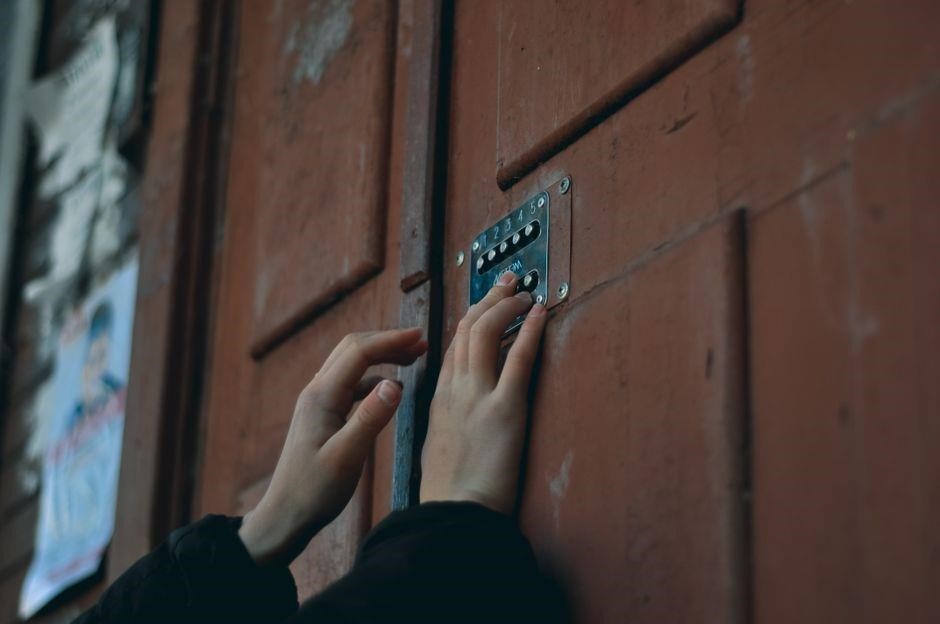
Programming the Lock
To program the DL‑2700, press the SET button until the LED blinks. Enter a new 4‑digit master code, confirm it, then press ENTER. For user codes, press USER, input the code, confirm, and assign a level. Save changes by pressing SAVE. The lock will flash to confirm. Exit by pressing power button. Then reboot.
Configuring User Codes and Access Levels
Follow these steps to add or modify user codes on the DL‑2700. The lock supports up to 99 user codes, each with a 4‑digit numeric password and an optional access level (1–3). Level 1 grants full entry and alarm control; level 2 allows entry only; level 3 is a read‑only code for monitoring. The master code (default 1234) is required for all programming functions.
- Enter Programming Mode: Press and hold the SET button until the LED flashes twice. The display will show “PROG”.
- Choose Action: Enter 1 to add a new user, 2 to delete, or 3 to change access level. Confirm with ENTER.
- Add User: Input the 4‑digit code, press ENTER, then input the desired level (1‑3). The screen will confirm “CODE OK”. Press SAVE to commit.
- Delete User: Input the code to remove, press ENTER, and confirm deletion. The LED will flash once.
- Change Level: Input the code, press ENTER, then input the new level. Confirm and press SAVE.
- Exit Programming: Press the POWER button until the LED turns solid, indicating normal operation.
All changes are stored in non‑volatile memory and survive power loss. For security, change the master code after the first use by entering 1 in the main menu, selecting “Change Master”, and following the prompts. The lock logs each successful entry and soon these logs can be viewed via the companion app.
Keypad Operation
Press the numeric keys to enter your 4‑digit code. The LED will flash once for each digit. After four digits, press ENTER to unlock. Use SET to lock. The lock supports a SNOOZE function for temporary access. For maintenance, press POWER to reset.

Using the Keypad for Daily Access
To open the DL‑2700, press the LOCK button to bring the keypad into active mode. The display will show a blinking “?” indicating readiness. Enter your personal 4‑digit code, pressing each number sequentially. The LED will flash once for each digit entered. After the fourth digit, press the ENTER button. If the code is correct, the lock will unlock, the indicator light will turn green, and a short audible click will confirm success. If the code is incorrect, the lock will remain closed, the indicator light will flash red, and a brief alarm tone will sound. For temporary access, press the SNOOZE button after entering the code. This will unlock the door for 30 seconds, after which the lock will automatically re‑engage. To lock the door manually, press the LOCK button again; the lock will engage immediately, the indicator light will turn solid red, and the keypad will reset. The keypad also supports a PROGRAM mode, accessed by holding the SET button for 3 seconds while the lock is disarmed. In this mode, you can change the user code, add or delete codes, and configure access levels. Follow the on‑screen prompts to complete each action. The DL‑2700 keypad is designed for durability; it is rated for 10,000 presses and features a spill‑resistant silicone cover. For optimal performance, keep the keypad clean with a dry cloth and avoid using abrasive cleaners. The lock’s battery backup ensures that the keypad remains functional during power outages, allowing you to unlock the door even when the main power supply is down. Regularly test the keypad by entering a known code to confirm that the lock responds correctly. If the keypad fails to register inputs, check the battery level and replace the battery if necessary. By following these procedures, you can reliably use the keypad for daily access while maintaining the security and integrity of the DL‑2700 system. The keypad’s LED indicator provides real‑time status: a solid green light means the lock is armed and ready, a flashing green indicates a successful unlock, a solid red signals an alarm condition, and a flashing red denotes a failed code entry. When the lock is in maintenance mode, the indicator will blink blue to signal that the system is awaiting configuration. Users should familiarize themselves with these light patterns to quickly diagnose lock status without consulting the manual. The keypad’s tactile feedback is engineered to deliver a consistent click sound for each keypress, helping users confirm that their input has been registered even in noisy environments. To extend battery life, the lock automatically enters a low‑power standby mode after 30 seconds of inactivity. In this mode, the keypad remains responsive to user input, but the LED brightness is reduced to conserve energy. When the user presses any key, the lock immediately returns to full power and resumes normal operation. If issues arise, refer to the troubleshooting guide or contact support for assistance.

Battery & Power Management
The DL‑2700 uses a 3‑cell Li‑ion battery (3.7 V, 300 mAh). Replace with OEM cells; insert positive up. It enters low‑power mode after 30 s idle, flashing amber LED when <20 %. Press SET 5 s for diagnostics. Optional 12‑V adapter available. Battery lasts 12 months.!
Replacing and Maintaining the Battery
When the DL‑2700’s internal 3‑cell Li‑ion pack reaches <20 % capacity, the unit will emit a brief amber LED flash and a silent chime to signal low power. To replace the battery, first power down the lock by pressing the OFF button for 3 s, then remove the back cover with a Phillips screwdriver. Carefully lift the battery tray, note the orientation of the positive (+) and negative (–) terminals, and insert a new OEM 3.7 V, 300 mAh cell. Re‑insert the tray, replace the cover, and press the ON button until the green LED stabilizes. The lock will perform a self‑check and confirm the new battery’s voltage. For extended use, consider installing the optional 12‑V adapter; connect it to the rear power port, ensuring correct polarity. The lock will automatically switch to mains power when the adapter is detected, preserving the Li‑ion cell for backup. To maintain battery health, avoid deep discharges: keep the lock’s power on during regular use, and only disconnect the adapter when the internal battery reaches 10 % to prevent over‑discharge. Periodically inspect the battery contacts for corrosion; clean with a dry cotton swab if needed. The DL‑2700’s firmware logs battery status; access the diagnostic mode by holding the SET key for 5 s to view remaining charge and temperature. If the lock fails to power on after a battery change, check for a short circuit or a damaged cell. Replace the battery within 24 h of purchase to ensure optimal performance. Proper battery maintenance extends the lock’s lifespan and guarantees reliable operation in critical security scenarios. Always dispose of used cells in accordance with local hazardous waste regulations, and never puncture or short the battery. If you notice any swelling or leakage, immediately replace the battery and contact support. The lock’s battery indicator LED will remain solid green for 30 days after a successful replacement, after which it will flash to remind you to verify the battery status. By following these steps, users can ensure uninterrupted security and maintain the DL‑2700’s performance over its expected 12‑month battery life cycle. This mode is especially useful in remote installations and it saves power daily.
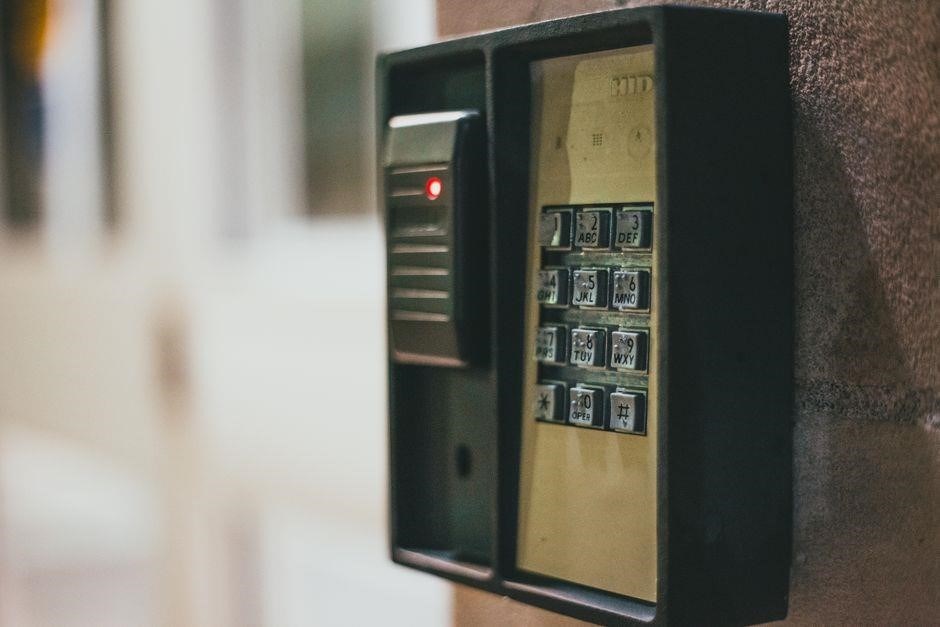
Troubleshooting & Support
For common issues, reset the lock by holding OFF for 5 s, check battery, and ensure keypad is clean. If the alarm fails, reboot via the power port. Contact support at 1‑800‑DL‑LOCK or email support@dl2700.com for firmware updates. For help, see the online manualnow.
Resolving Common Issues and Contacting Support
When the DL‑2700 fails to respond, first verify the battery level. A low voltage indicator on the display will prompt a replacement. If the keypad lights are dim or unresponsive, clean the contacts with a lint‑free cloth and ensure no debris blocks the buttons. For a “code not accepted” error, double‑check that the user code is entered correctly and that the lock is in the correct mode (programming vs. access). If the alarm sound is muted, confirm the volume knob is turned up and that the speaker is not obstructed. In case of a persistent fault code, perform a factory reset by pressing and holding the OFF button for 10 s; this will restore default settings but erase all custom codes. If the lock still does not power on, inspect the power port for corrosion and test with a known good 9‑V battery. For network‑related issues, ensure the lock’s firmware is up to date; use the DL‑2700 mobile app to check for updates. If the lock remains unresponsive after these steps, contact technical support. Call 1‑800‑DL‑LOCK (1‑800‑335‑5668) between 8 a.m. and 6 p.m. EST, or email support@dl2700.com with your serial number, purchase date, and a brief description of the problem. The support team will guide you through advanced diagnostics or arrange for a replacement unit if warranted. For warranty claims, keep the original receipt and proof of purchase; the warranty covers manufacturing defects for 24 months from the date of purchase. All support interactions are logged for quality assurance and continuous improvement of the DL‑2700 product line. Customers may also access the DL‑2700 support portal online for firmware updates and FAQs and help


Leave a Reply
You must be logged in to post a comment.